Start with How You Cook
The best first knife depends less on what looks impressive and more on what you actually cook at home. If you want one main knife for daily use, choose a versatile profile.
Choose Versatility First
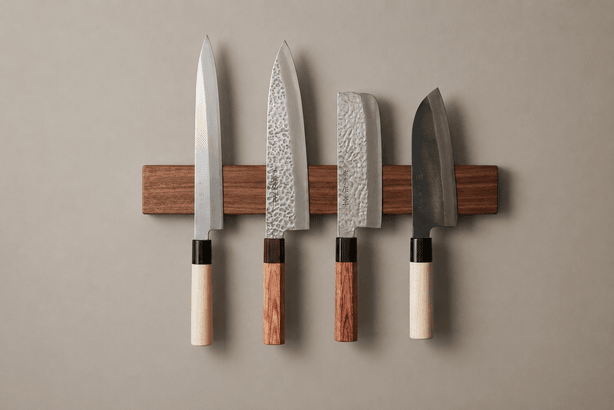
For most people, a Gyuto, Santoku, or Bunka is a safe starting point because these shapes can handle many kitchen tasks well.
Do Not Choose Based Only on Looks
Appearance matters, but comfort, size, steel, and maintenance matter more over time. A beautiful knife that does not fit your habits will not be enjoyable every day.
Think About Maintenance
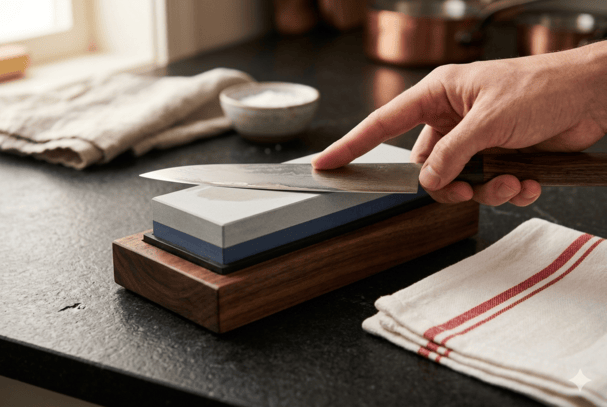
Stainless steel is usually easier for a first knife. Carbon steel can be rewarding, but it needs more attention after use and should be washed and dried right away.
Common Mistakes to Avoid
Avoid starting with a knife that is too specialized, too large, or chosen only because it looks impressive. A good first knife should feel comfortable and useful.
Final Thoughts
Your first Japanese knife does not need to be the most expensive or the most specialized. It should suit the way you cook and feel right in your hand.